
Important
The ATO has ramped up its debt collection activity. Understanding how General Interest Charge works, when it applies, and whether it is tax deductible can make a material difference for businesses managing outstanding liabilities.
For a few years there, the ATO felt quiet.
COVID hit. Payment plans were flexible. Enforcement eased off. Many businesses effectively used the ATO as their overdraft.
Those days are over.
As of late 2024, the ATO’s tax debt book has reportedly exceeded $105 billion. Back in June 2020, it was around $26.5 billion. By June 2024, it had doubled to roughly $52–53 billion.
It has now doubled again.
That is not a minor shift. That is structural.
Small Business Is at the Centre
Of the total tax debt outstanding:
- Around two-thirds is owed by SMEs
- Approximately $34 billion was owed by SMEs as at 30 June 2024 (based on published ATO data at the time)
- Around 42,000 small businesses each owe more than $100,000, totalling roughly $11 billion
This is not theoretical.
These are real businesses with real cash flow pressure.
And the uncomfortable truth is simple:
- This debt has already been incurred.
- The liabilities exist.
- They need to be paid.
Why the Pressure Is Increasing
Australia’s Federal Deficit and Tax Debt
Australia’s federal deficit for 2024–25 is sitting around $27–28 billion.
Compare that with over $105 billion in outstanding tax debt.
The debt owed to the ATO is nearly four times the annual deficit.
There is enormous incentive for the government to collect what is legally owed. The pressure on the ATO to recover funds is obvious.
The ATO Has Changed Its Tone
During COVID:
- Payment plans were easier
- Enforcement was softer
- There was more tolerance
Now we are seeing:
- Faster escalation of overdue accounts
- Stricter payment plan approvals
- Increased enforcement activity
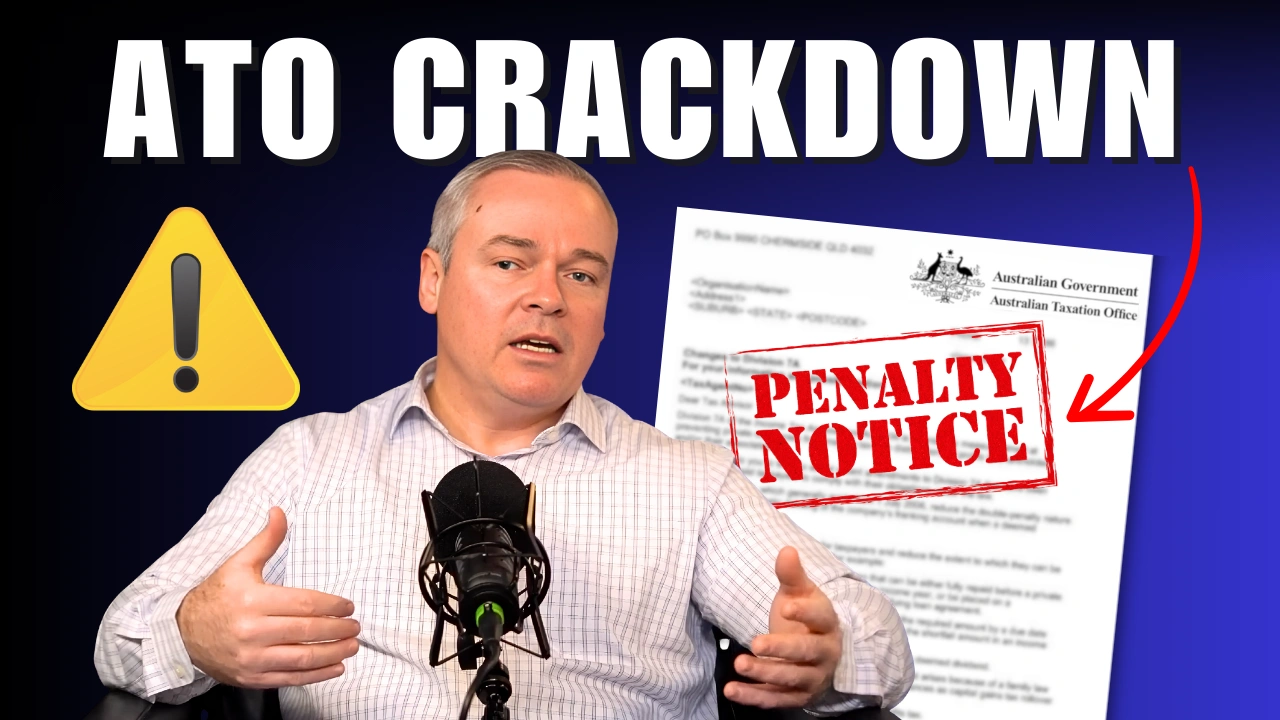
- More Director Penalty Notices
If you are relying on old assumptions about flexibility, you are behind the curve.
Director Penalty Notices — Personal Risk
In the 2024 financial year alone, the ATO reportedly issued over 26,000 Director Penalty Notices, covering more than $4 billion in company tax debt.
By March 2025, total DPNs issued were reportedly around 59,000 notices across more than 44,000 entities.
If you receive a DPN:
You have 21 days from the date of posting to act.
You must appoint a restructuring practitioner or liquidator to avoid personal liability.
Ignore it, and the company’s tax debt can become your personal debt.
That is not something to take lightly.
Restructuring Activity Is Rising
We are also seeing insolvency activity rise significantly, with increases of roughly 40–50% in parts of 2024 compared to prior periods (based on industry reporting).
Small Business Restructuring (SBR) plans now represent around 20% of insolvency activity, with approximately 3,000 SBRs expected by mid-2025.
When you hear “small business restructure”, think:
- Formal process
- Administrator involvement
- Negotiation with the ATO
- Structured repayment proposal
It is decisive action — and it works best when done early.
Interest Is About to Cost More
From 1 July 2025, ATO interest (GIC and SIC) will no longer be tax-deductible.
Previously, some businesses tolerated ATO debt because the interest was deductible.
That safety net is gone.
The after-tax cost of carrying ATO debt is increasing — which is clearly designed to push businesses to pay or refinance.
What To Do Now
If you have outstanding tax liabilities:
- Lodge everything. Even if you cannot pay.
- Talk to the ATO early. Payment plans are easier before escalation.
- Do not ignore warning letters.
- If you receive a DPN, contact your accountant immediately.
- If the debt feels unmanageable, seek advice early.
Early action gives you options.
Late action gives you consequences.
The Bottom Line
ATO debt has exploded from roughly $26 billion in 2020 to over $105 billion today.
The federal deficit is around $28 billion.
The enforcement tone has shifted.
Director Penalty Notices are increasing.
Interest deductibility is being removed.
This is not alarmist. It is a new environment.
If you are carrying ATO debt, now is the time to get organised and act early.
If this raises questions for you, feel free to reach out or leave a comment.
These are real issues affecting real businesses — and early conversations almost always lead to better outcomes.
Disclaimer: This article provides general information only and does not take into account your personal circumstances. It is not financial or tax advice. You should seek independent advice from a qualified professional before making decisions about tax, legal or financial planning matters, along with loan structures or entity structure.