
Important
Tough topic, but one we all have to face — death. We see it often: family members coming in after someone passes with no idea where documents are, what assets there are, or how to start probate.
Tough topic, but one we all have to face — death.
We see it often: family members coming in after someone passes. No idea where documents are, what assets there are, or how to start probate.
Unfortunately, it happens more often than you would think.
When There Is No Will
If you die without a will, that is called dying intestate.
Someone has to apply to the Supreme Court for letters of administration.
The process is slow, costly, and stressful. A lot of unknown.
Especially messy in blended families — disputes, uncertainty, delays.
The Key Documents You Need
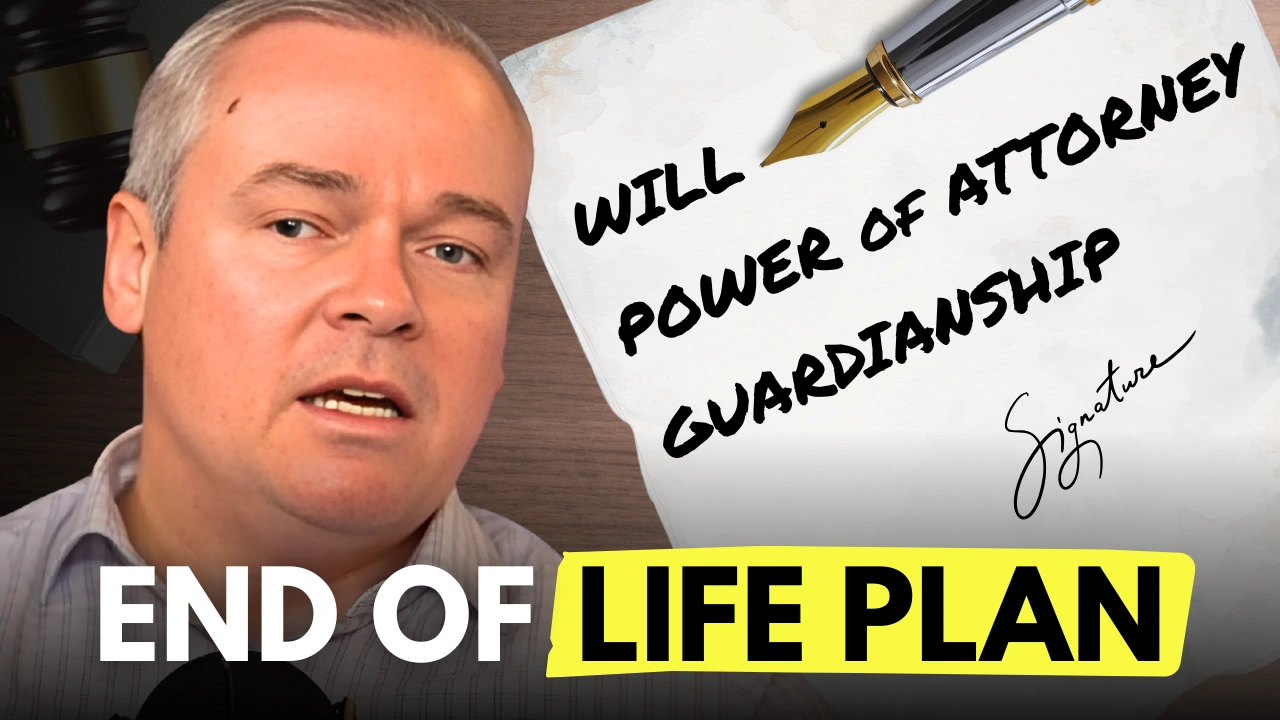
1. Valid Will
Sets out what happens to your assets when you pass away.
2. Enduring Power of Attorney
Appoints someone to manage financial and legal matters if you lose capacity.
3. Enduring Guardianship
Appoints someone to make medical and personal decisions if incapacitated.
This is where you specify guardianship of your children under 18.
If You Have Significant Assets
Consider a testamentary discretionary trust (TDT). It adds complexity (30-page will vs 5-page will), but gives:
- Tax advantages (income split for minors).
- Asset protection for beneficiaries.
The will becomes a trust deed once probate is granted by the Supreme Court.
If You Are in Business
Make sure you have shareholder agreements, partnership agreements, or heads of agreement in place.
Letter of Wishes
Not legally binding, but provides guidance. Can cover:
- Sentimental items (jewellery, heirlooms).
- Business intentions, succession notes.
- General preferences (“what you would like to happen”).
Adds clarity and comfort for those left behind.
Digital and Practical Housekeeping
Keep a list: assets, liabilities, recurring payments.
Passwords and PINs
- Banking, email, social media, utilities, council, phone.
- Preferably stored electronically in a secure vault.
- If handwritten, lock it away safely (e.g. in a safe).
- Make sure people know where to find these details.
Who’s Who at the Zoo
Make a short list of your key advisers:
- Accountant
- Lawyer
- Financial planner or business partner
Tell a couple of trusted people who to contact.
Not just one person — they could predecease you or be unavailable.
Ensure at least two people know how to access everything.
TC’s Closing Thoughts
After 25+ years in practice, I have seen both sides.
When estate planning is done — smooth, respectful, and clear.
When it is not — confusion, conflict, heartbreak.
This is not about money — it is about care, clarity, and family.
Disclaimer: This article provides general information only and does not take into account your personal circumstances. It is not financial or tax advice. You should seek independent advice from a qualified professional before making decisions about tax, legal or financial planning matters, along with loan structures or entity structure.